Campus planning isn’t about individual structures—it’s about how every space connects to the next. At Duo-Gard, we look at the whole picture.
Holistic campus planning is essential for creating complimentary environments that support learning, wellness, and community. When outdoor and indoor spaces are thoughtfully connected through pathways, shelters, daylighting, and gathering areas, campuses become more navigable, inclusive, and resilient. It’s not just about function; it’s about creating places where people want to be.
Holistic campus design doesn’t just improve function; it elevates first impressions. A well-planned environment that prioritizes sustainability, accessibility, and visual harmony sends a strong message to prospective students and their families. From modern transit hubs to light-filled gathering spaces, every thoughtfully designed element contributes to a more appealing, future-forward campus. In today’s competitive recruitment landscape, that can make all the difference.
Our design services are built to streamline the entire process, from concept through installation. When one partner can handle multiple product types like canopies, shelters, wall systems, and more it eliminates much of the unnecessary noise, keeps communication clear, and reduces coordination headaches. This integrated approach helps maintain budgets, stick to timelines, and create a more cohesive campus experience overall.
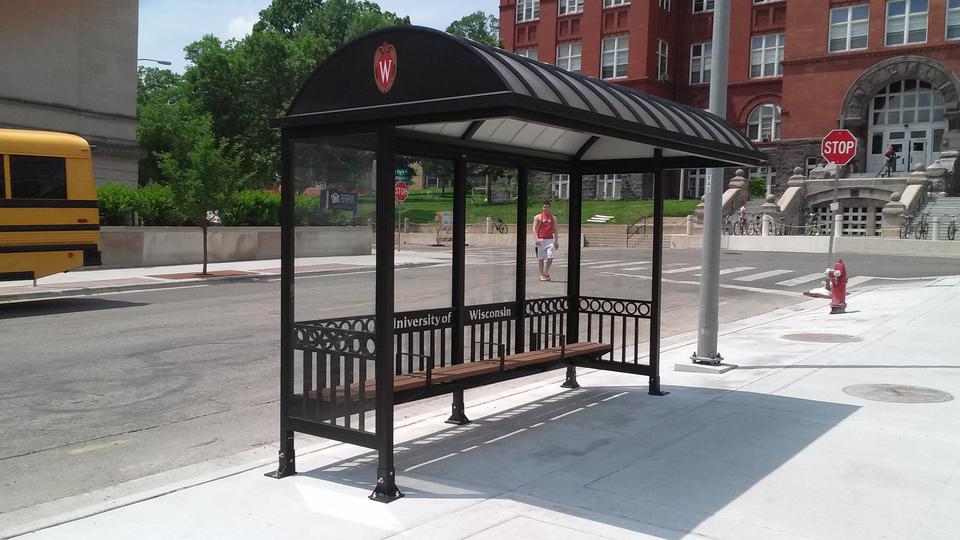
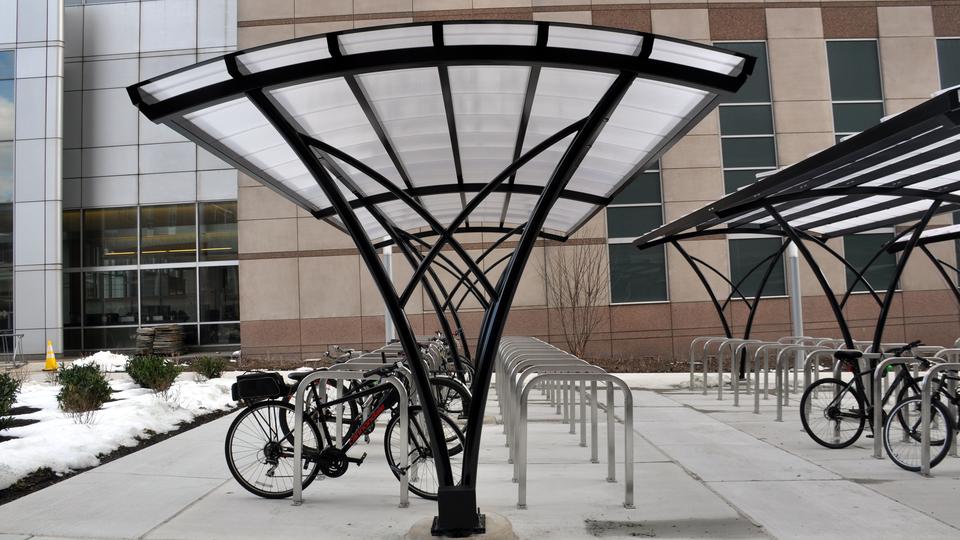
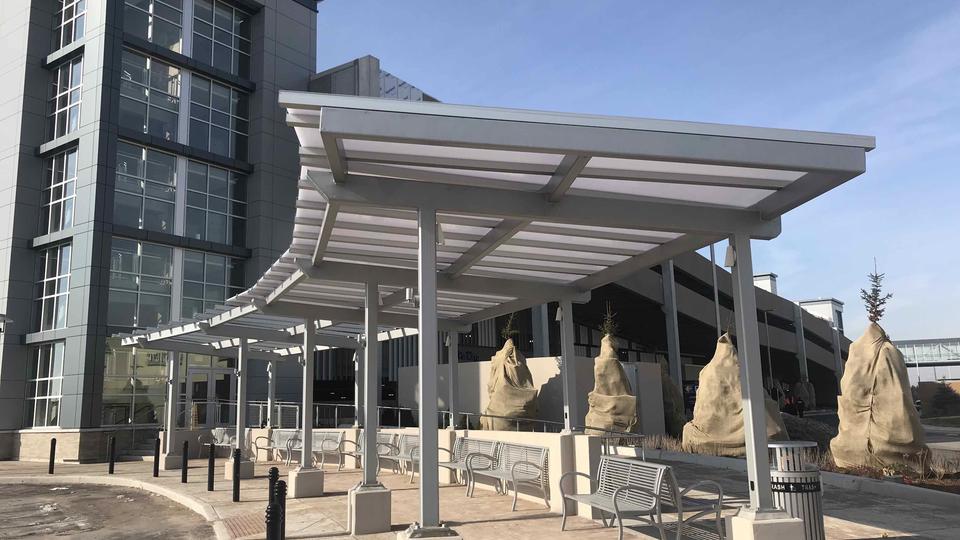
Duo-Gard offers a wide range of solutions designed specifically for the modern campus: secured bike shelters that encourage active commuting, naturally lit athletic and practice facilities that promote well-being and energy efficiency, covered walkways that create safer, all-weather connections, and transit and bus shelters that support multimodal transportation systems. These offerings are designed to blend seamlessly with the campus environment while delivering long-term performance and value.
We engage early in the planning process, offering insight into layout efficiency, material integration, and long-term performance. With our Achieve 360° approach, we collaborate with stakeholders to align form and function across the campus—from entry canopies to gathering spaces, secured bike parking, and covered circulation paths.
This holistic mindset results in unified environments that support campus identity, sustainability, and usability.
Because when design works in harmony, students thrive.
Part Two: The Power of Holistic Design in Campus Spaces